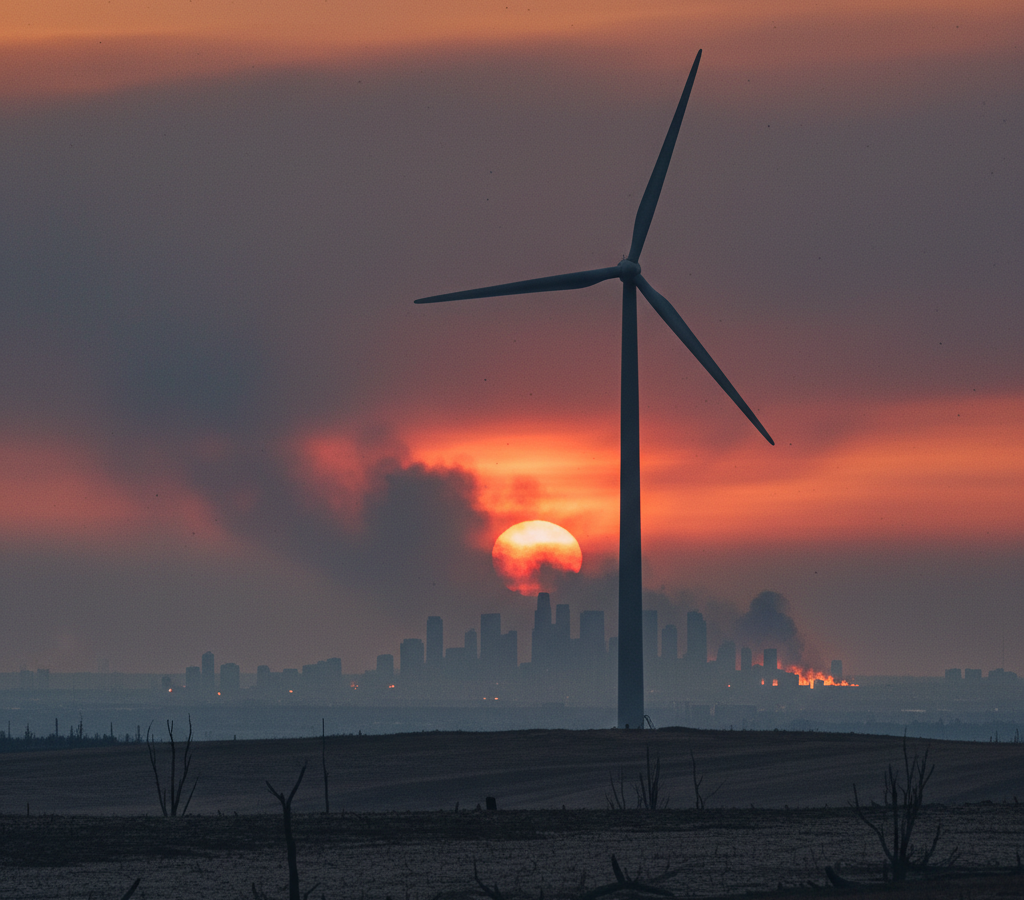

We start with a headline that sounds optimistic: “Four bright spots in climate news.” But if you read the article, the glow is mostly glitter. 2025 delivered another record for greenhouse‑gas emissions, the third warmest year on record, and a tidal wave of fires and floods that left billions in damage. The so‑called bright spots are a veneer that obscures deeper systemic failure. That’s the reality we need to confront.
What Are These “Bright Spots” and Who Loses?
The Technology Review piece lists advances in carbon capture tech, a new global emissions pact, a surge in renewable investment, and a wave of climate‑aware corporate disclosures. Each sounds like a headline winner, yet all are riddled with caveats. The carbon capture technology is still prototype‑stage, scaling costs are prohibitive, and the projected capture volume is a fraction of the 1.8 trillion metric tonnes of CO₂ that need to be offset annually. The emissions pact, signed by 48 countries, relies on voluntary reporting and offers no enforcement mechanism, effectively a handshake in a room full of oil executives. Renewable investment has grown 10% YoY, but the majority of that is in solar farms on marginal lands, not in the grid rewiring that actually cuts reliance on fossil fuels. Corporate disclosures are a new ESG reporting standard, but they’re optional and easily gamed.
The Real Losses: Communities and Trust
While the bright spots are marketed as progress, the communities hit hardest by wildfires in California, flooding in Indonesia and Pakistan, and heatwaves in the Midwest have seen little to no benefit. Insurance companies, already strained by higher claims, now offer steeper premiums or deny coverage altogether. Farmers who depend on predictable weather patterns face crop failure and market volatility. In the political arena, public trust erodes faster than policy can be enacted. Citizens who once clung to green rhetoric now view it as another form of greenwashing.
Why the Narrative Persists
The narrative of bright spots is perpetuated by a handful of actors with vested interests. Media outlets that have long cultivated an audience around environmental optimism often highlight the latest breakthrough while glossing over the slow pace of real change. Corporations sponsor “green” content that boosts brand image without committing to the hard work of reducing scope‑1 emissions. Policymakers, pressured by lobbyists and election cycles, prefer headline‑friendly milestones over structural reforms. The result is a loop where optimism fuels investment, which fuels hype, and the cycle repeats.
What Comes Next: A Call to Action
If we are to translate these bright spots into real progress, we need three things: first, transparent metrics that measure absolute emissions reduction rather than relative gains; second, binding international agreements that carry penalties, not promises; third, a restructuring of the financial system to penalize carbon‑intensive assets rather than subsidize them. The private sector must stop offering a “low‑carbon” label for products that are still carbon‑intensive in their supply chains. Civil society must demand audits and publish results.
The Kicker: A Grim Forecast, Not a Glittering Future
So, are these bright spots just smoke and mirrors? The short answer is yes. They distract us from the brutal reality that emissions are still climbing and disasters are becoming more frequent and severe. The long answer is that the only way to turn these glimmers into real light is to expose the cracks in our climate story and demand accountability. Until then, the bright spots will remain little more than a marketing buzzword in a world that still needs a headline.