
The DOE’s new fusion roadmap promises a decade‑long leap forward, but the lack of guaranteed funding leaves the future of the technology uncertain.
What You Need to Know
- The Department of Energy has outlined a roadmap that could bring commercial fusion power to the grid by the mid‑2030s, yet it makes no commitment to funding.
- AI, public‑private partnerships, and a surge of private investment are positioned as catalysts to overcome longstanding scientific hurdles.
- Critical infrastructure gaps—fuel production, materials that survive stellar conditions, and a skilled workforce—remain the biggest obstacles to realizing the plan.
Deep Dive
The DOE’s latest fusion roadmap is a bold declaration that the United States can finally achieve the decade‑long dream of harnessing fusion energy. It sketches a path toward the first generation of fusion power plants, touting a mid‑2030s timeline for commercial deployment. However the document is clear that it is not a financial commitment; future funding will depend on Congressional appropriations.
To bridge that funding gap, the plan calls for unprecedented collaboration between the public and private sectors. Big‑tech firms, led by founders such as Sam Altman, Bill Gates, and Jeff Bezos, have already poured more than $9 billion into fusion startups. AI is positioned as both a research accelerator—through digital twins and predictive modeling—and a business engine that could meet the soaring electricity demands of data centers. The DOE’s own AI cluster, Stellar‑AI, is a flagship example of this synergy.
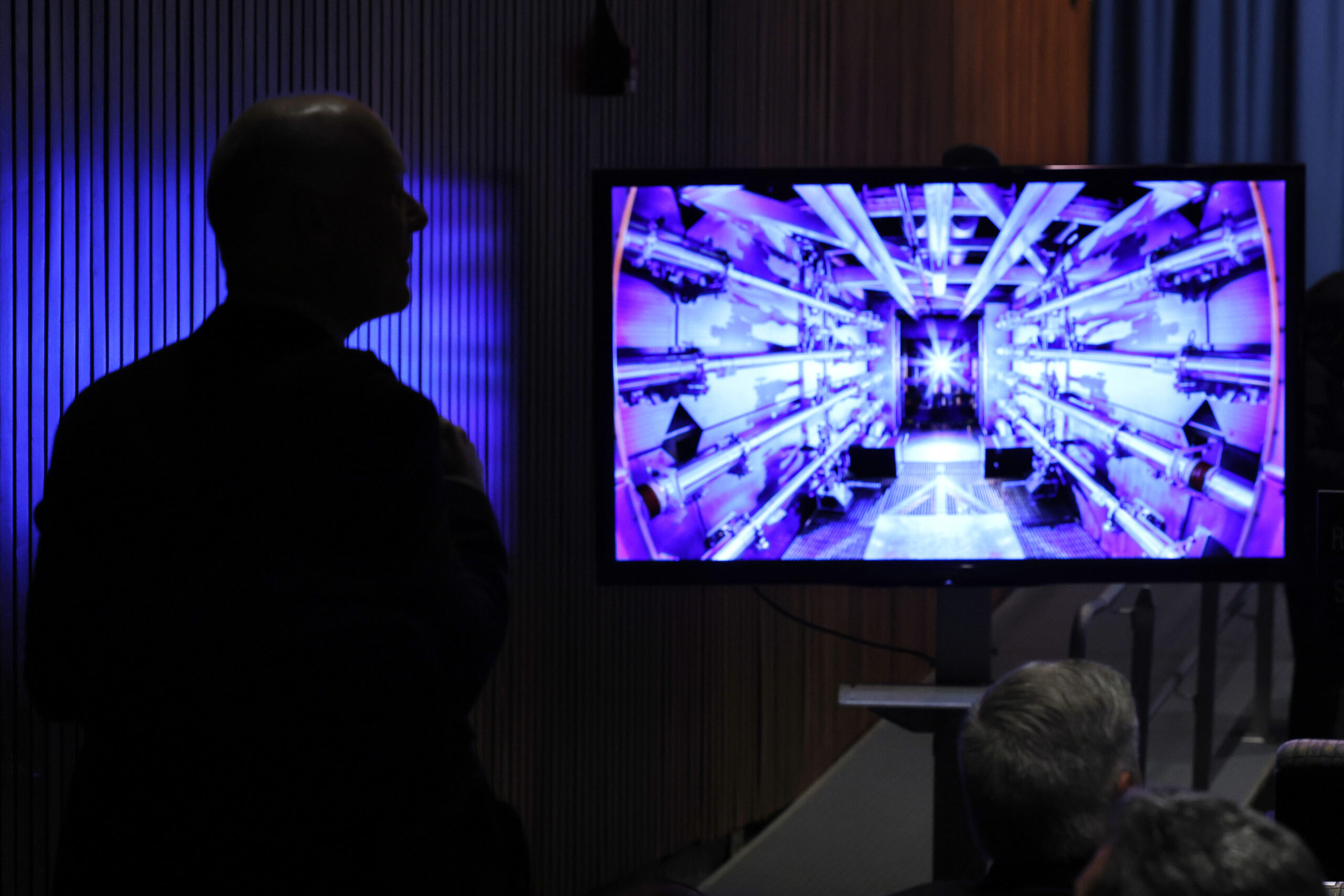
Despite the hype, the technical challenges are still formidable. Achieving “ignition,” or a net positive energy output, has been elusive for decades. While a laser‑based experiment in 2022 claimed the first ignition, sustaining the reaction for longer periods and at a commercial scale remains unproven. Material science also lags; fusion reactors must contain plasma that reaches temperatures hotter than the Sun’s core, and current structural alloys can only endure a fraction of those conditions before degrading.
The roadmap acknowledges these hurdles by proposing a national network of regional fusion hubs. These hubs would bring together DOE laboratories, universities, state governments, and private firms to cultivate a skilled workforce and foster innovation. The first proposed hub, a partnership between Nvidia, IBM, Princeton Plasma Physics Laboratory, and the DOE, will host a supercomputing cluster optimized for fusion research. Such collaboration could accelerate the development of critical infrastructure—like fuel production and recycling of tritium and deuterium—necessary for a commercially viable plant.
In short, the DOE’s plan is an ambitious vision that mixes cutting‑edge science with industry partnerships and AI innovation. Its success hinges on securing the financial resources it currently lacks, on overcoming deep‑rooted technical barriers, and on building a national ecosystem capable of delivering a clean, abundant energy source. Until those pieces fall into place, fusion’s promise remains an aspirational blueprint rather than a guaranteed reality.