
The Hook
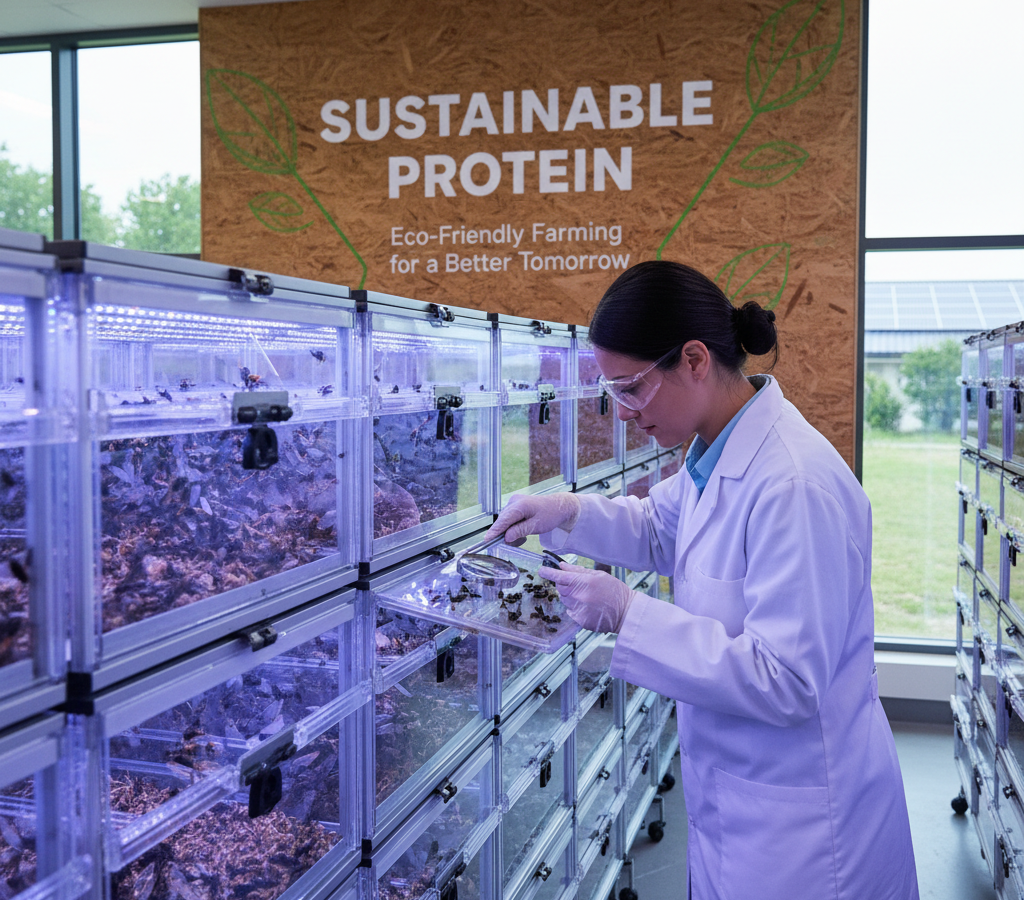
We are witnessing the collapse of a once‑glorious green‑tech fairy tale. Ÿnsect, the French insect‑farming titan that promised sustainable protein on a planetary scale, has been forced into judicial liquidation. A $600 million runway ran dry in the same year it was poised to redefine the food system.
The Meat
Founded in 2014, Ÿnsect captured the imagination of investors who were eager to capitalize on the alternative protein boom. By 2025, the company had raised more than $600 million, claiming breakthroughs in black soldier fly mass‑rearing, waste‑to‑protein conversion, and the integration of AI‑driven automation.
Yet the headlines that once lauded its “scalable, clean‑protein solution” were replaced by court notices that the company was insolvent and its assets were being liquidated. How did a startup that seemed to embody the future of sustainable food so abruptly implode?
“We underestimated the gap between pilot‑scale success and commercial viability,” the former CEO told reporters in a press release. “The model assumed that demand would outpace production, but reality didn’t keep pace.”
Two intertwined factors sealed Ÿnsect’s fate. First, the cost structure of insect farming is far less efficient than the company claimed. Large‑scale rearing of black soldier flies still requires significant feed, energy, and labor inputs. Second, the market for insect protein—although growing—remains niche. Food‑grade insect products have yet to penetrate mainstream consumer consciousness at the scale needed to justify the capital burn.
Investors, dazzled by the narrative of “protein for a planet,” overlooked the thin margins and high operational risks. The venture ecosystem has a dangerous appetite for hyper‑scalable, green narratives, and Ÿnsect’s story illustrates how even the most well‑funded green tech can be blindsided by practical realities.
What this crash signals is twofold. For first‑time founders in the sustainability space, it’s a stark reminder that narrative capital must be matched with a rigorous, data‑driven business model. For the broader ecosystem, it warns that the green‑tech hype machine can amplify under‑funded risk, encouraging a “crash‑and‑burn” culture that may ultimately stall progress.
The Kicker
We see this not as an isolated failure but as a pivot point. The insect‑protein market must mature through incremental, proven deployment, not overnight scaling. Sustainable protein will need a diversified portfolio—plant‑based proteins, cultured meat, algae—and insect farming should be one component, not the flagship.
If we fail to learn from Ÿnsect’s demise, the next wave of green‑tech startups may simply be rebranded versions of the same mistake: high‑profile hype, shallow economics, and an underestimation of market adoption curves.
Our take is clear: the future of sustainable food hinges on pragmatic, transparent business practices and a willingness to pivot when evidence contradicts ambition. The last time we saw a startup’s dream collapse so spectacularly, it was a warning. Let’s heed it before the next green‑tech unicorn takes flight.


That’s awesome