
We’re witnessing a parade of “next‑gen” media startups that feel more like hype than disruption. Disrupt 2025’s Startup Battlefield spotlighted six media/entertainment entrants, and while the headlines screamed innovation, we’re left asking: who truly benefits and who’s simply riding a wave of tech‑buzz?
1. The “Hype‑Stack” of Media Startups
From AI‑generated content to NFT‑driven streaming, the six finalists—VoxPopAI, StreamWave, MetaNarrative, FilmForge, PulseBox, and StoryGrid—present a dizzying array of tech overlays. Each claims to solve a pain point: cheaper production, personalized storytelling, decentralized distribution. Yet, beneath the glossy pitches lies a pattern of reinventing the wheel with a shiny tech veneer.
2. The Real Winners Are the Users Who Don’t Pay Attention
Take StreamWave, for example. Its AI‑curated playlists promise a “hyper‑personalized binge.” But the algorithm merely surfaces the same content in a different arrangement, reinforcing echo chambers. The user gets a “tailored” experience while the platform harvests data to tighten its advertising hold. We see the same story with VoxPopAI, whose AI‑generated news segments replace human writers, potentially eroding the very credibility that drives readership.
3. Who Loses?
Traditional content creators—writers, editors, cinematographers—face a silent threat. The push for cheaper, faster production erodes the value of craft. Moreover, the NFT model in MetaNarrative commodifies creative ownership in a speculative market, turning stories into digital assets that often outlive their cultural relevance.
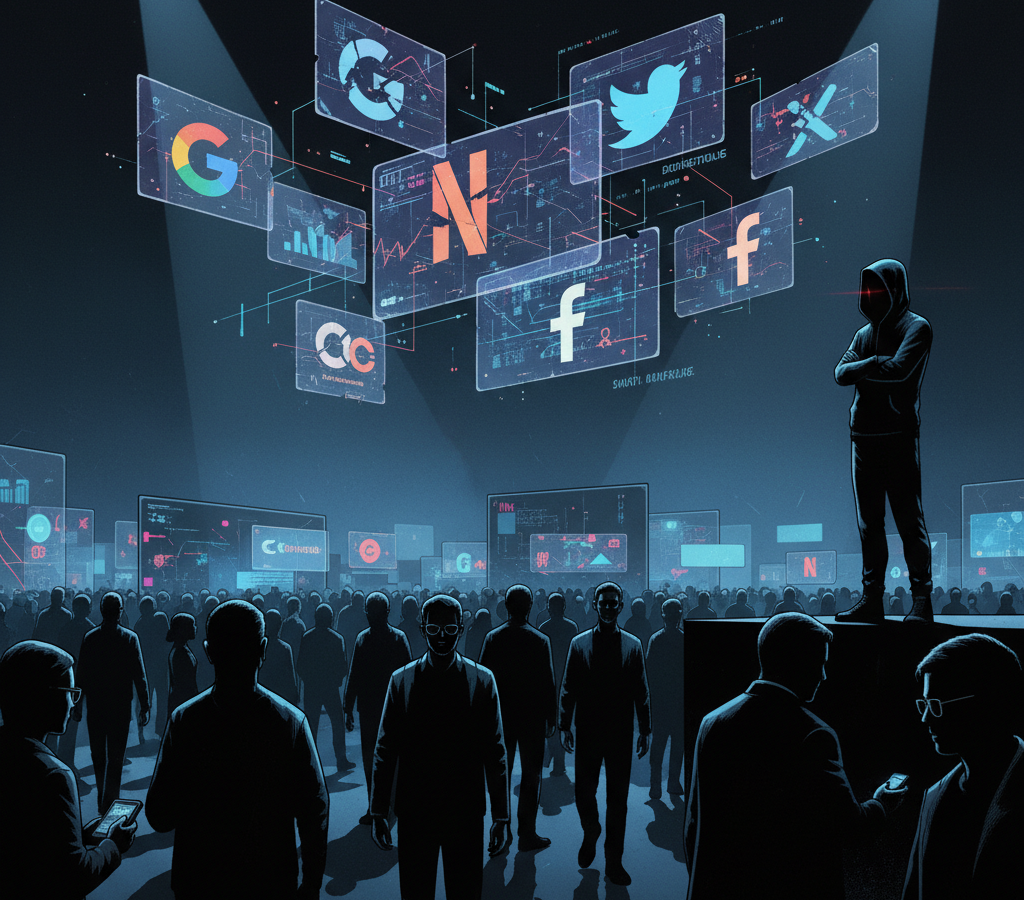
“The narrative is that these startups are democratizing media, but the underlying economics often centralize power where it matters most: data and platform control.” — Our analysis.
4. The Broader Trend: Tech‑First, User‑Second
Disrupt 2025’s lineup echoes a broader industry trajectory: technology is treated as the default solution, users as the by‑product. This mirrors the shift seen in AI image generation—tools that are powerful yet risk displacing creative labor. The startups here are not isolated; they are part of a systemic re‑engineering of content ecosystems where algorithms decide relevance, and platform gatekeepers dictate visibility.
5. The Future: A Call for Transparent Metrics
For real disruption, we need metrics that prioritize user well‑being and creator sustainability over engagement spikes. PulseBox attempts to measure community health, but its definition of “engagement” remains opaque. A shift toward open‑source analytics and user‑owned data will be the real test of whether these startups deliver lasting value.
Kicker: The Next Wave of Disruption Needs to Be Human‑Centric
We’re at a fork in the road. The current wave of media startups continues to chase the next tech fad, but the only enduring winners will be those that embed human insight into their design. Until we demand that, the hype will remain just that—hype. We predict that the next round of winners will be the ones that combine tech agility with a clear, creator‑friendly business model.